Square Eyes: Risks of Screen Time and Suggestions
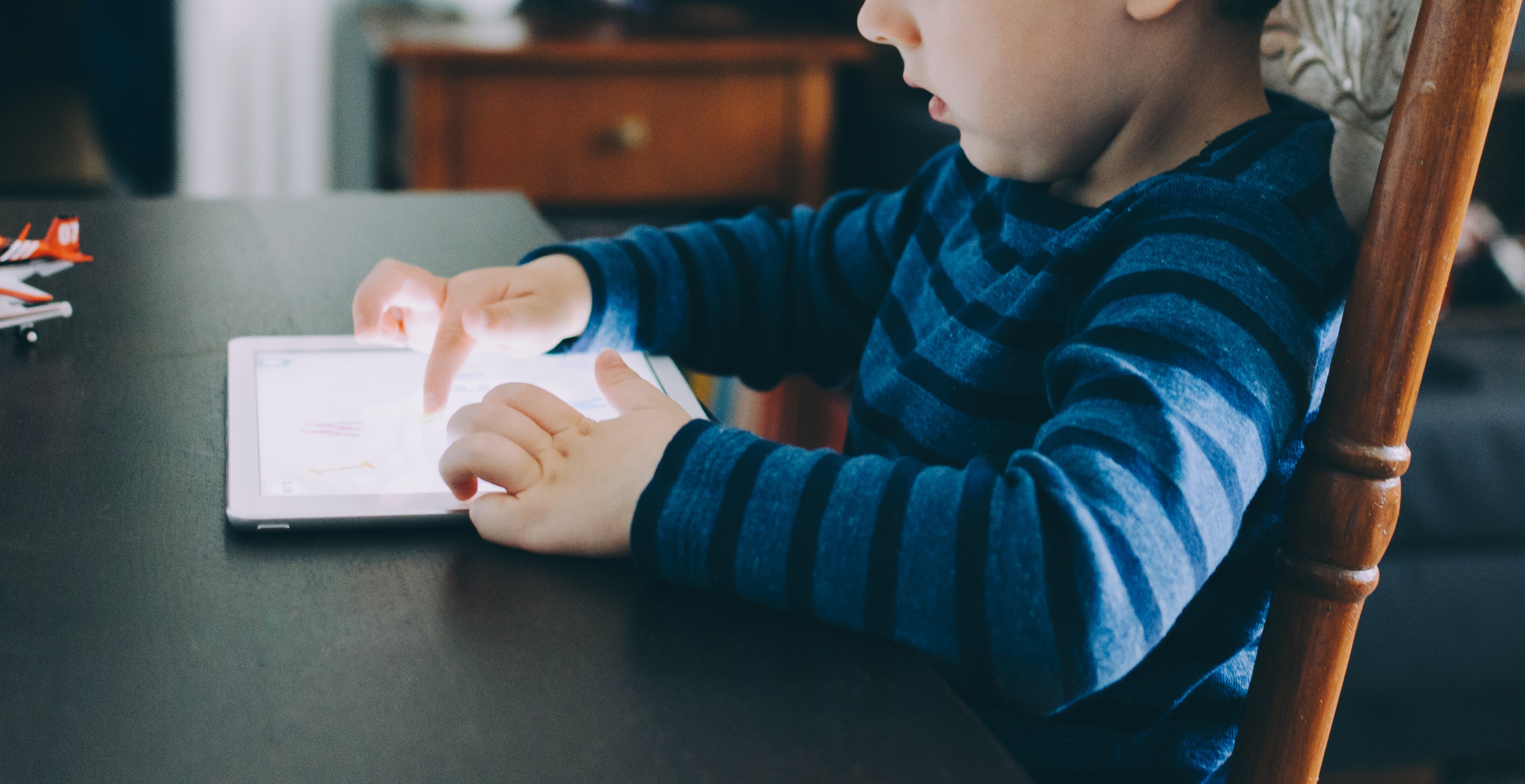
‘Screen time’ refers to the time your child spends watching TV, using computers, playing video or hand-held computer games, and using tablets and smartphones.
The passive nature of watching TV that many previous generations grew up with is very different to the interactive screens today’s children are now exposed to, often from an early age.
Whether we like it or not, we live in a digital age, and therefore the majority children today will grow up surrounded by technology.
In a 2015 survey of 1,000 British mothers, 85% admitted to using technology to keep children entertained while they were getting on with other things. We’ve all been there, and it seems like a simple solution!
What are the risks?
Although it seems like no harm is done by giving your little one a phone or games console to help tame a tantrum, research has shown that the overuse of digital media may put a child at risk of the following:
- Not enough sleep.
Children with unmonitored media exposure or who have a TV, computer, or mobile device in their bedrooms fall asleep later at night and get less sleep. Even babies can be overstimulated by screens and miss the sleep they need to grow. - Delays in learning and social skills.
Children who watch too much TV in infancy and preschool years can show delays in attention, thinking, language, and social skills. One of the reasons for the delays could be because they interact less with parents and family. Parents who keep the TV on or focus on their own digital media miss precious opportunities to interact with their children and help them learn. - Obesity.
Heavy media use during preschool years is linked to weight gain and risk of childhood obesity. Food advertising and snacking while watching TV can promote this. In addition, children who overuse media are less likely to be active with healthy, physical play. - Behaviour problems.
Violent content on TV and screens can contribute to behaviour problems in children—either because they are scared by what they see, or they try to mimic on-screen characters.
What can we do to prevent these risks?
If you find yourself with a toddler who will only sit in the supermarket trolley if they have their phone, you may need to consider devising a family media plan.
The advice from the National Institute for Health and Care Excellence (NICE) is simply that children should have TV-free days, or have two-hour limits on the time spent in front of screens.
Dr Aric Sigman says: “Perhaps because screen time is not a dangerous substance or a visibly risky activity, it has eluded the scrutiny that their health issues attract.”
He goes on to advise, on behalf of a growing number of researchers, medical professionals and government departments, that a key way to improve a child’s behaviour is to reduce screen time.
This may sound easier said than done, but there are ways to go about it without going back to pre-technology times:
- Simply share screen time with your child and discuss what you’re watching
- Dedicate certain days of the week to being media-free
- Or introduce a bedroom ban while keeping living room media non-violent and educational
You know your family best, so you can implement the relevant steps for a happy, healthy, media-consuming household.